These tiny dots are more than just a cosmetic issue — they’re an early warning of internal threats
Do You Really Know What’s Hiding on Your Horse’s Coat?
Those small yellowish dots you sometimes notice on your horse’s legs or chest may seem harmless, but they could be signs of a hidden parasite invasion. Before brushing them away, it’s important to understand what they reveal — and how to protect your horse effectively.
What Are These Tiny Grains?
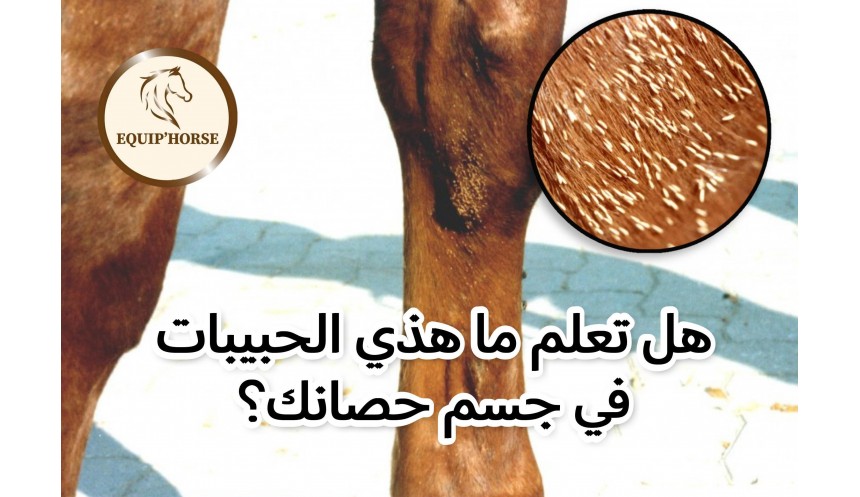
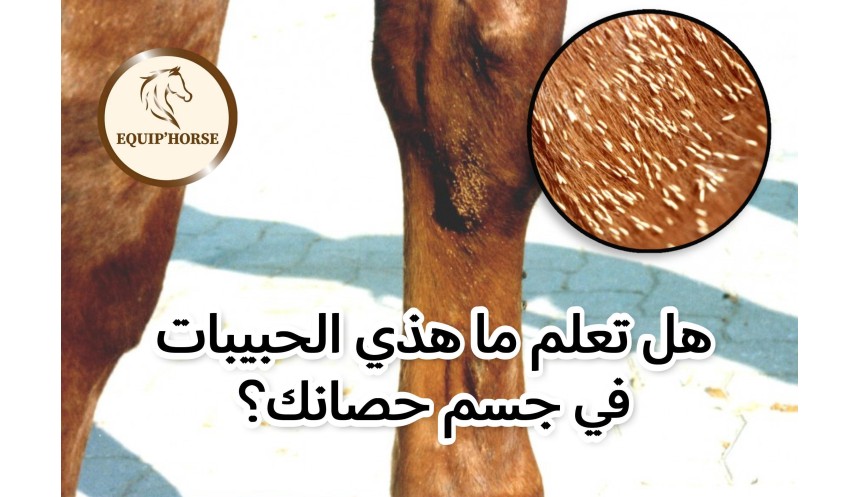
Those small yellowish or white specks are not dust—they’re horse bot fly eggs (Gasterophilus spp.), and they indicate a hidden internal threat. Female bot flies lay eggs on the forelegs, chest, or shoulders. When the horse licks or scratches, the eggs hatch, and the larvae migrate into the mouth, attaching to the mucosa for up to 3 weeks before being swallowed.
How Do They Affect Your Horse?
Once ingested, the larvae attach to the stomach lining, feeding there for 8–10 months, causing:
• Gastric irritation and ulceration
• Weight loss and reduced feed efficiency
• Restlessness and digestive pain
Scientific research confirms that heavy infestations can lead to chronic gastric ulcers or even intestinal blockage in severe cases.
What Should You Do?
To protect your horse effectively, follow these simple but essential steps:
1. Inspect Regularly: During summer and fall, check for eggs on the coat.
2. Remove Manually: Use a bot knife or pumice stone to remove visible eggs.
3. Deworm Appropriately: Administer a dewormer containing ivermectin or moxidectin to eliminate internal larvae.
4. Prevent Reinfestation: Maintain hygiene, reduce fly breeding, and apply a protective repellent.
Natural Protection with Equip’Horse Lait Anti-Mouches
Equip’Horse Lait Anti-Mouches offers a safe, natural way to keep flies away — suitable for both the body and face of your horse. Regular use helps prevent new eggs from being laid, reducing the risk of internal parasites.
In Short: Prevention Is Protection
These tiny dots are more than just a cosmetic issue — they’re an early warning of internal threats. By staying alert and maintaining a consistent care routine, you protect your horse from hidden gastric parasites and ensure its comfort all season long.


Comments
No comment at this time!
Leave your comment