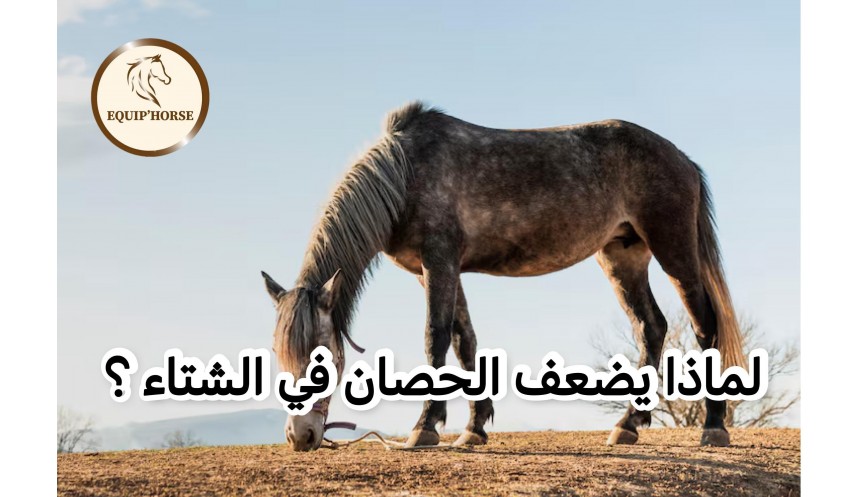
Winter challenges horses’ metabolism and management routines. Here are the key scientifically backed reasons behind seasonal weight loss
Why Do Horses Lose Weight in Winter? Evidence-Based Drivers
Winter challenges horses’ metabolism and management routines. Here are the key scientifically backed reasons behind seasonal weight loss:
- Thermoregulation Increases Maintenance Energy: Below the Lower Critical Temperature (LCT) — typically 30–50°F (−1 to 10°C) depending on coat, wetness, and wind — energy needs rise by about 1% per °F. Cold, wet, and windy weather can demand up to +20–30% more energy. The best way to meet this is by providing more forage, as fiber fermentation generates internal heat.
- Stored Forage Loses Key Vitamins: Over time, stored hay loses beta-carotene (Vitamin A) and Vitamin E. This makes winter rations poorer in essential nutrients compared to fresh pasture. Fortified feeds or vitamin supplements can help maintain balance.
- Cold Water Reduces Intake and Raises Impaction Risk: Horses drink less when water is too cold, increasing the risk of impaction colic. Keeping water between 45–60°F (7–16°C) encourages drinking. Always provide 1–2 oz of salt daily and prevent freezing or dirty troughs.
- Parasites and Dental Health Matter: Strongyle infestations can cause weight loss, poor coat, and colic, while dental problems—especially in older horses—limit chewing and nutrient absorption. Use fecal egg counts to guide deworming and schedule routine dental exams.
- Who’s Most Vulnerable?: Clipped, thin, or senior horses have higher effective LCTs and are more sensitive to cold. They benefit from proper blanketing, shelter, and close body-condition monitoring throughout winter.
Practical Winter Management
Follow these evidence-based practices to support your horse through winter months:
- Score Body Condition Regularly: Aim for a Body Condition Score (BCS) of 5–6 before winter and reassess monthly.
- Provide Adequate Forage: Feed 1.5–2% of body weight in dry matter daily (e.g., 7.5–10 kg hay/day for a 500 kg horse).
- Apply the “1% per °F Rule”: For each °F below the horse’s LCT, increase energy intake by 1%. Example: A 500 kg horse with an LCT of 30°F experiencing 20°F conditions needs ~10% more energy ≈ +1 kg hay/day.
- Ensure Warm Water and Salt Access: Offer warm water and free-choice salt daily. Encourage movement and turnout to support gut motility.
- Maintain Parasite and Dental Programs: Coordinate with your veterinarian for fecal checks and dental care schedules.
- Blanket When Needed: Use appropriate blankets for clipped, senior, or low-BCS horses, and check both fit and skin daily.
Support Your Horse’s Health and Condition This Winter
Balanced feeding, warm water, and consistent veterinary care are the cornerstones of keeping your horse strong, healthy, and comfortable throughout the cold season.


Comments
No comment at this time!
Leave your comment